
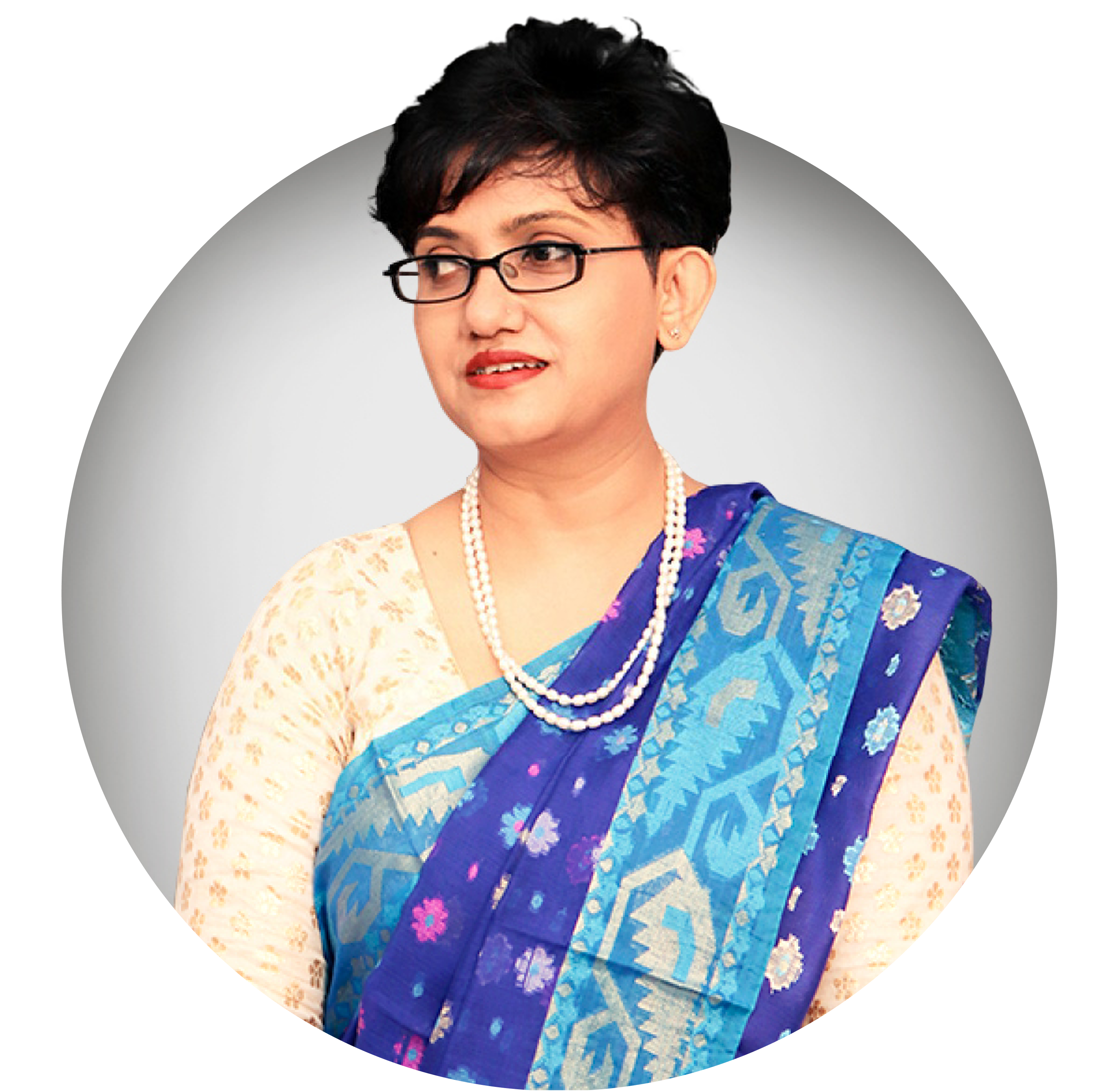
Dr. Sanchita Pakrashi
Consultant psychologist
Dr. Sanchita Pakrashi is a consultant psychologist dedicated to evidence-informed care and the emotional well-being of her patients. Her practice integrates depth-oriented psychotherapy with practical strategies for stress, anxiety, mood difficulties, and life transitions—always grounded in respect, confidentiality, and a collaborative therapeutic relationship.
Medical Education
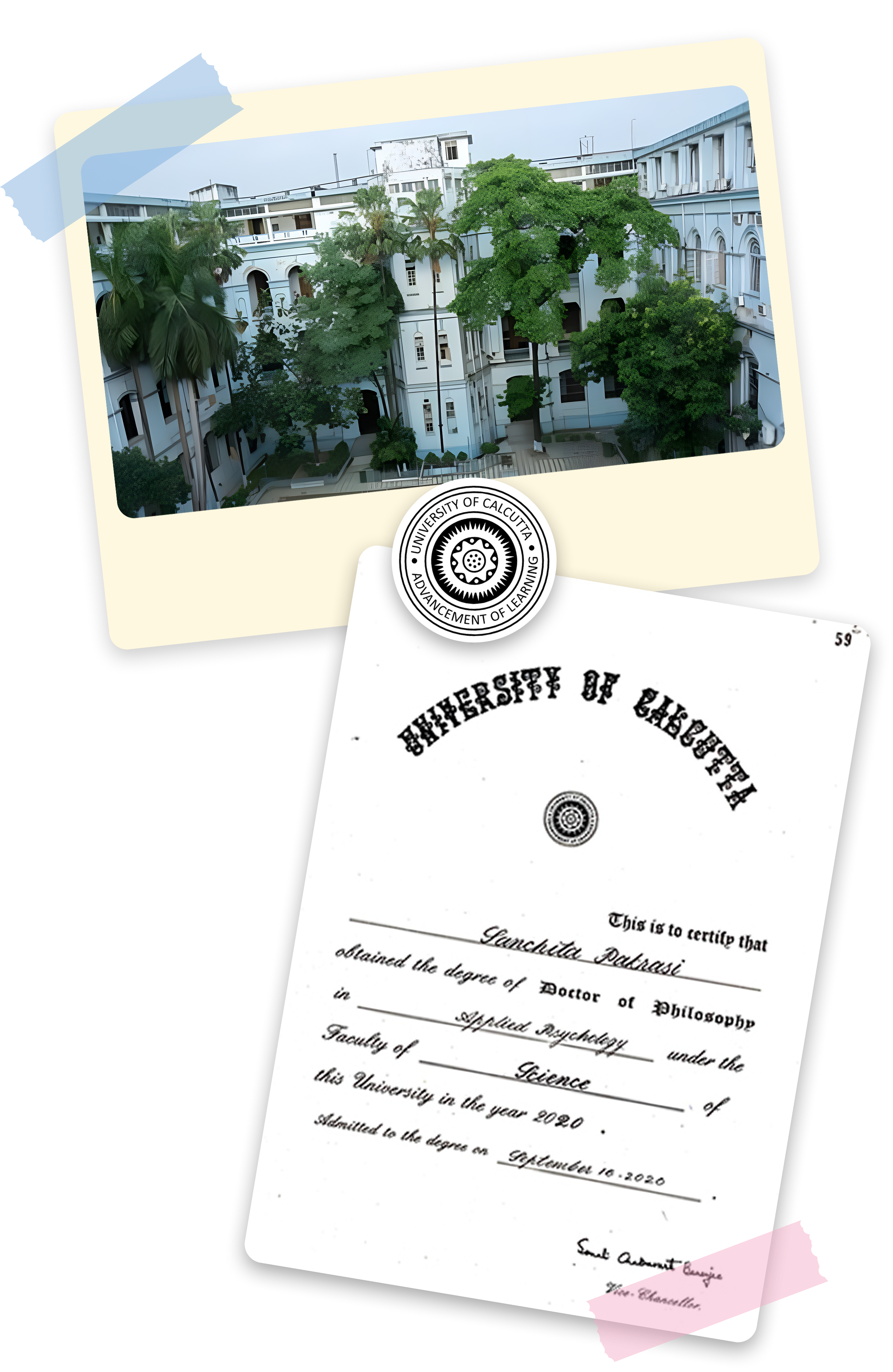
Dr. Sanchita Pakrashi’s formal training in psychology was completed entirely at the University of Calcutta, from undergraduate honours through doctoral research, grounding her clinical work in a strong tradition of scientific psychology and empirical inquiry.
-
1995
Department of Psychology, University of Calcutta
Passed B.Sc. (Honours) in Psychology under the Faculty of Science.
-
1997
Department of Psychology, University of Calcutta
Passed M. Sc in Clinical Psychology under the faculty of Science.
-
2020
Department of Psychology, University of Calcutta
Awarded Doctor of Philosophy (Ph.D.) in Applied Psychology under the Faculty of Science.

Clinical Experience
Since 1997, Dr. Sanchita Pakrashi has served as a consultant psychologist across clinical, institutional, and community settings in Kolkata and beyond — combining psychotherapy, comprehensive psychological assessments, and collaborative care for children, adolescents, adults, and couples.
-
1997 – Present
Director & Consultant Psychologist
Kathae Kathae, Dr. Pakrashi’s Clinic, Kolkata. Providing psychotherapy and comprehensive psychological assessments for children, adolescents, and adults.
-
1997 – 2000
Institute of Stress Management, Lake Town, Kolkata
Specialized in psychotherapy and the administration of neuropsychological assessments.
-
2002 – 2008
C.U.I.I.P.P., Department of Psychology, Calcutta University (OPD Section)
Provided psychotherapy and diagnostic psychological assessments for outpatient cases.
-
2006 – 2007
Women’s Interlink Foundation, Kolkata
Focused on psychological nurturance, care, and assessments for adolescent survivors of trafficking.
-
2007 – 2008
R. G. Kar Medical College & Hospital, Kolkata
Provided donor counseling and conducted community awareness workshops on blood donation.
-
2008 – 2018
Clinic Brain, Barasat
Administered psychotherapies and psychometric assessments; conducted group therapy and workshops for youth and young adults.
-
2012 – 2013
Liver Foundation, West Bengal
Provided supportive counseling, treatment compliance interventions, and assessments for chronic liver disease patients.
-
2012 – 2013
Saroj Gupta Cancer Centre & Research Institute, Kolkata
Delivered counseling support and psychological assessments for patients facing terminal illness.
Teaching Experience
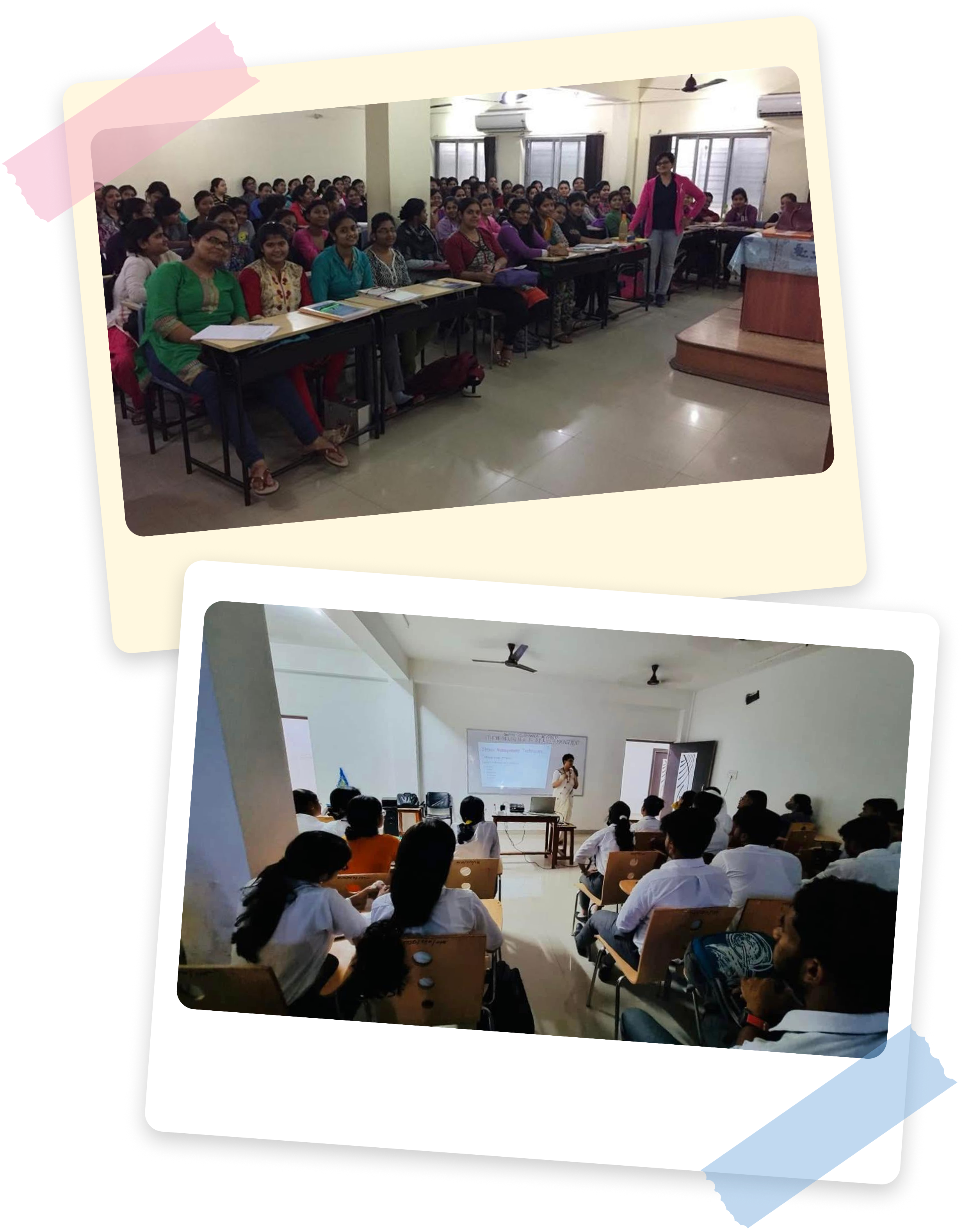
Dr. Sanchita Pakrashi has always been passionate about teaching and has enjoyed sharing her clinical knowledge with students at different levels—from undergraduate psychology to nursing and allied health programmes—emphasizing ethical practice, evidence-based methods, and reflective use of self in the helping professions.
-
• 2008
Rabindra Bharati University
Guest lecturer in the Department of Psychology; taught undergraduate and postgraduate courses (2008–2010).
-
• 2011
University of Calcutta (S.A. Jaipuria College)
Guest faculty for psychology papers across the B.A. programme; seminars on applied topics (2011–2012).
-
• 2013
West Bengal University of Health Sciences (Apollo Gleneagles Nursing College)
Visiting lecturer in psychology for nursing students; coursework and clinical integration workshops (2013–2021).
Certifications
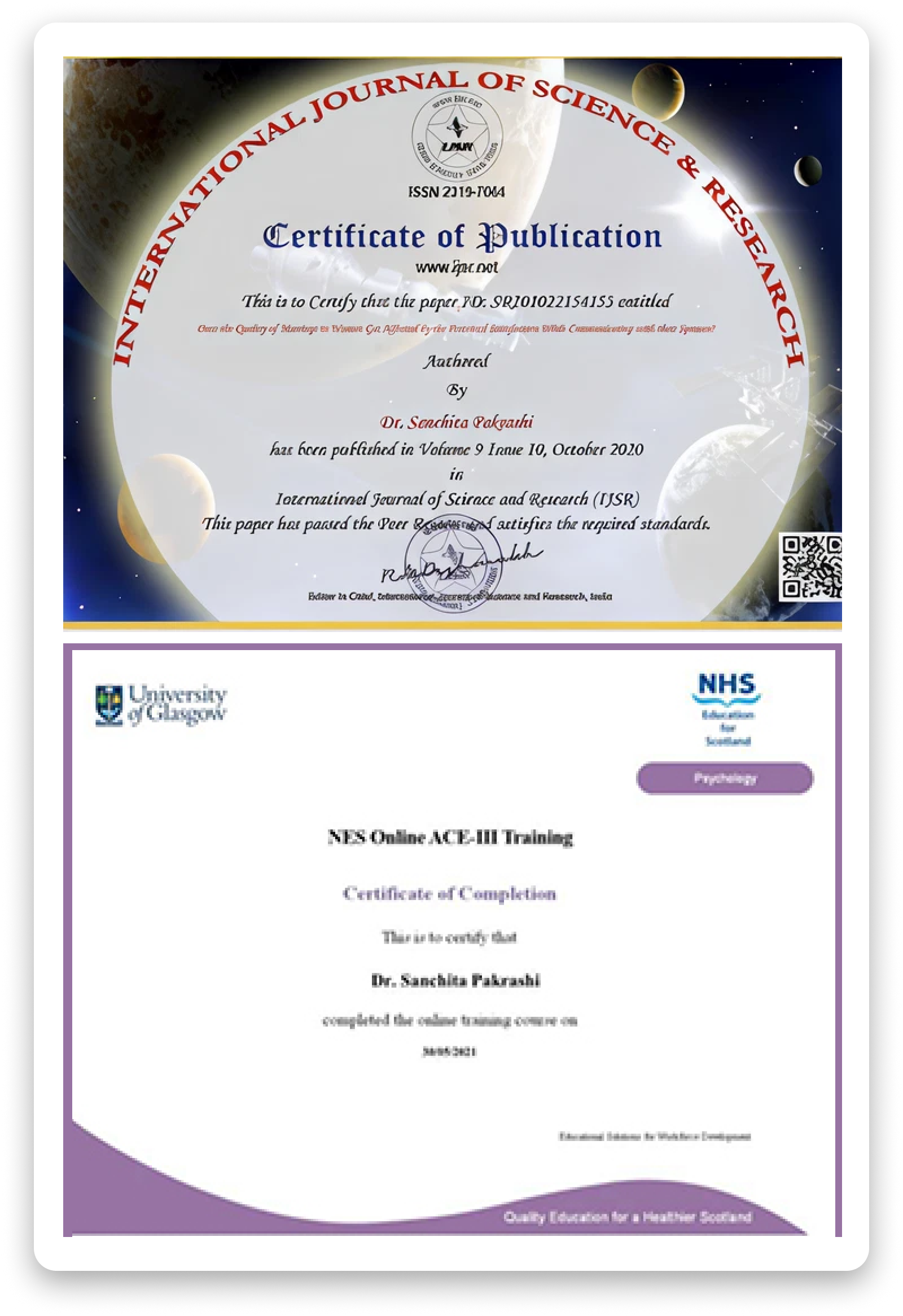
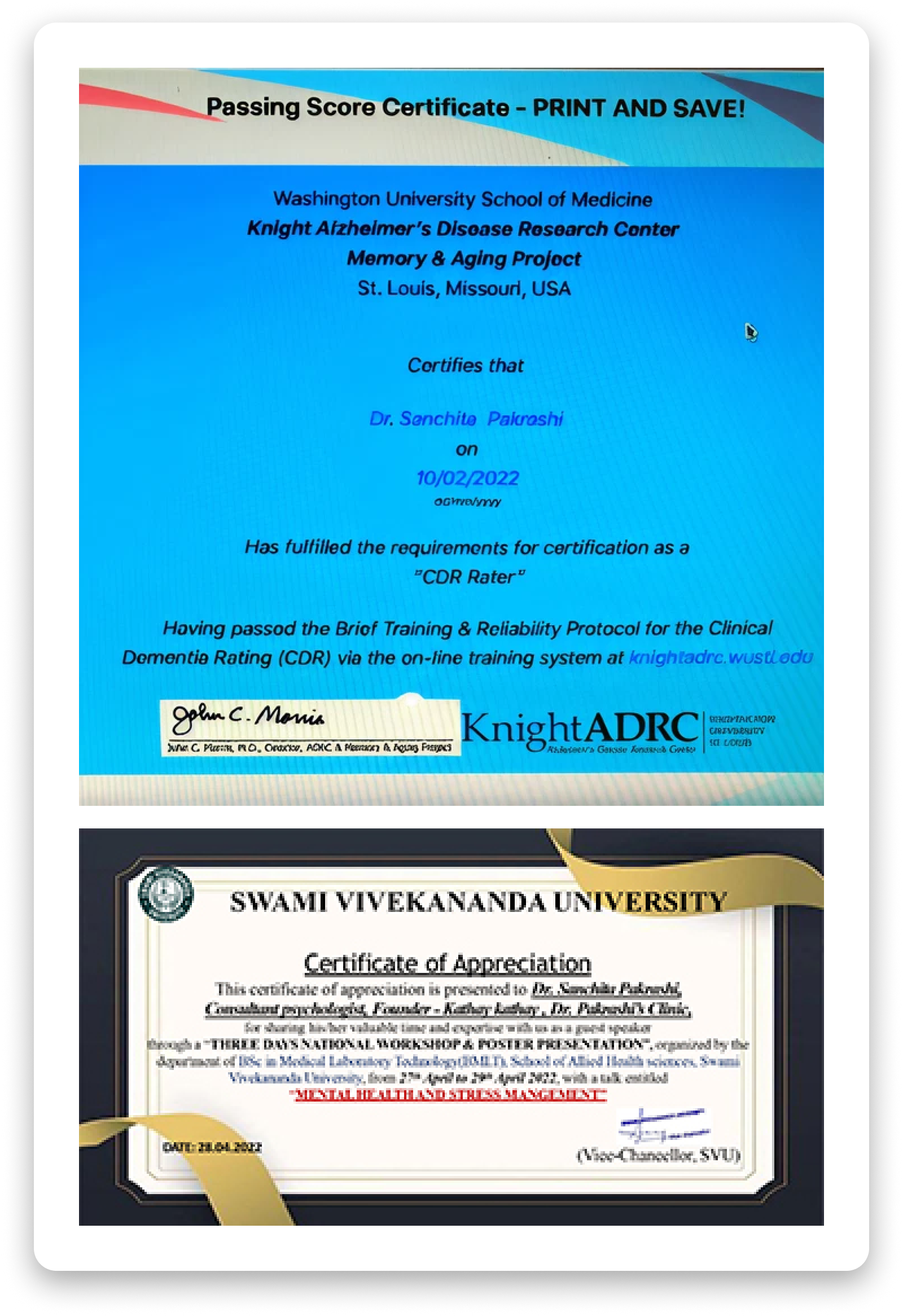
Guest Faculty
Pharmacotherapeutic Assistance
Besides adjustment issues and other minor issues with interactional problems, there are certain psychological conditions that require treatments involving pharmacotherapeutic assistance or medications along with psychotherapy / counselling. Researchers are of the opinion that certain chemical imbalances in your brain are responsible for such conditions. Medication can work to control such imbalances, reducing your symptom manifestation to a great extent.
You have to remember that consistency is the key to the effectiveness of medication in these kinds of treatments; disruption or irregularity in use can cause resurgence of symptoms. Sometimes the effectiveness of medication can show slow progress, so be patient; it can take time to make you feel better. Remember, medication will help you mostly when it is a part of your overall treatment, including psychotherapy, rehabilitative services, and family awareness leading to a better family environment. Above all, if any kind of complication arises after taking your medicines, please consult your doctor. We are here to assist you in arranging the facility of pharmacotherapeutic assistance or medication if required.
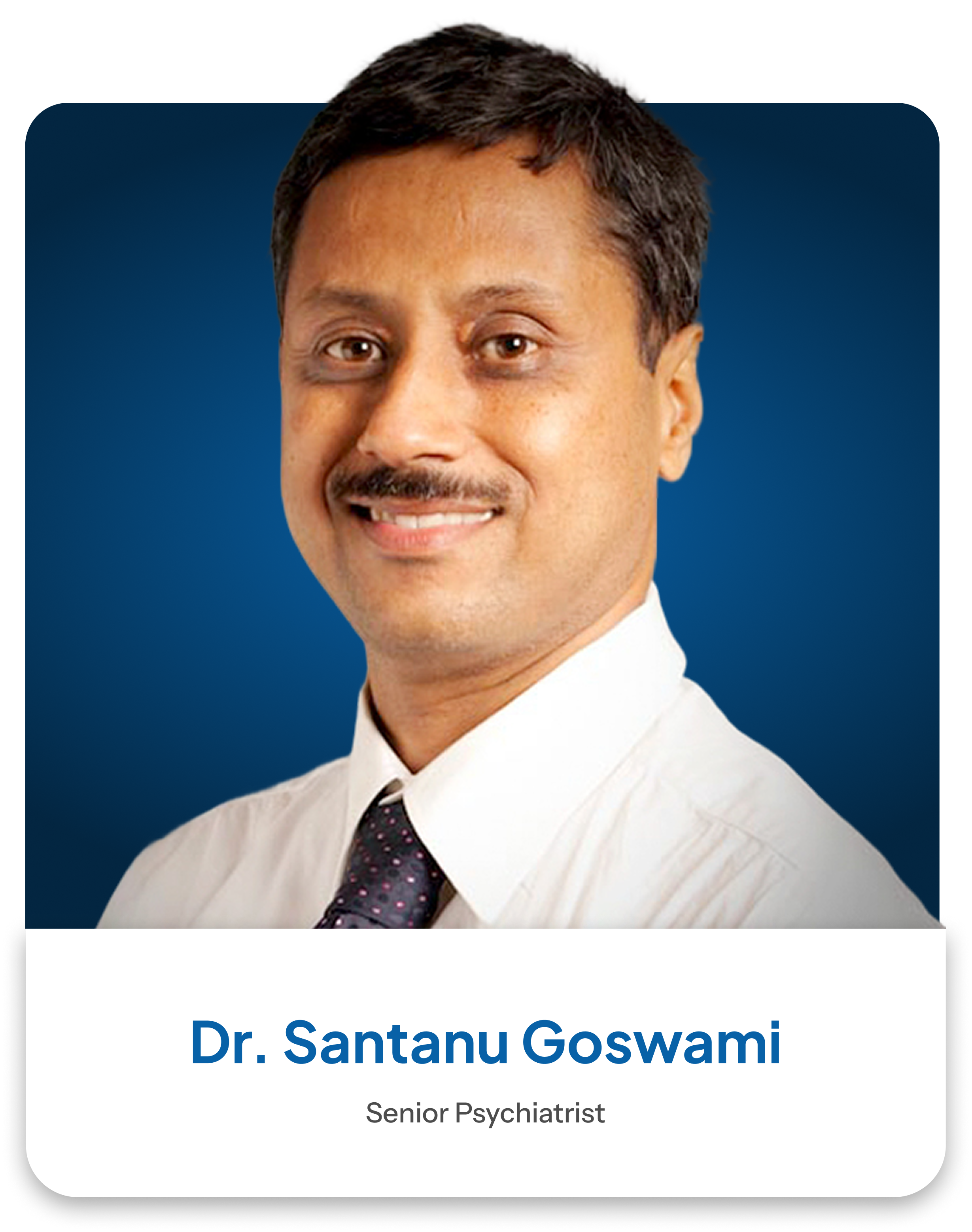
Dr. Santanu Goswami
We are grateful to Dr. Santanu Goswami (Consultant Psychiatrist), our honourable Guest Faculty, for supporting our patients who are in need of pharmacological treatments.
Dr. Santanu Goswami is a renowned senior psychiatrist with more than 26 years clinical experience. He trained in psychiatry from PGIMER, Chandigarh where he did Junior Residency. His thesis was on dual diagnosis patients and the course of both illnesses. After completing his Junior Residency and passing the MD exam, he worked as Senior Resident in the Institute of Human Behavior and Allied Sciences, Delhi. He cleared his DNB exam during this period.
After that, Dr. Goswami worked as a Consultant in several hospitals in Kolkata. From 2004, Dr. Goswami worked as a Consultant in NHS, UK in General Adult Psychiatry. Since 2007, he has been practicing in Kolkata in several hospitals like Columbia Asia Hospital, Narayana Hospitals, and ILS hospitals apart from having independent private practice. His special interest is in refractory schizophrenia and bipolar cases, deaddiction, and obsessive compulsive disorder. He also visits general hospitals for consultation liaison.
Dr. Goswami attends national and state conferences and clinical development programmes to keep himself aware of the latest developments and skills. He presents symposiums and papers in many conferences. He has several publications in state and international journals.
He is a fellow of the Indian Psychiatric Society, Indian Association of Social Psychiatry, and Royal College of Psychiatry.